Non Ionic Polyelectrolytes About
Premium-Quality Non-Ionic Polyelectrolytes
Our Non-Ionic Polyelectrolytes are high-molecular-weight, water-soluble polymers based on polyacrylamide and designed for efficient flocculation, clarification, and solid-liquid separation. Their non-ionic nature allows them to perform effectively across a broad range of process conditions without significantly affecting the ionic balance of the treatment system.
These polymers are widely used in water treatment, water purification, slurry treatment, water recycling, mineral processing, paper manufacturing, textile processing, oilfield applications, and other industrial processes. Their excellent solubility and flocculation performance make them a reliable choice for applications requiring efficient suspended-solid removal and process-water clarification.
Technical Specifications
|
Form
|
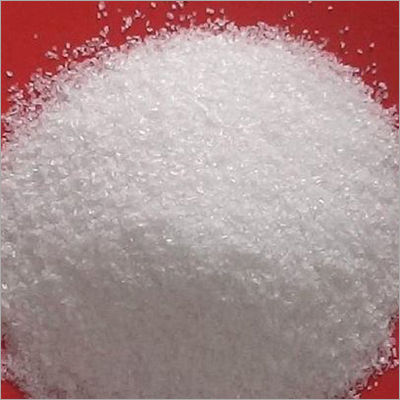
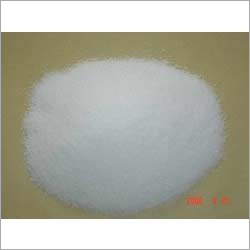
Powder
|
|
Grade Standard
|
Technical Grade
|
|
Usage/Application
|
Industrial
|
|
Packaging Size
|
25
|
|
Packaging Type
|
BAG
|
|
Physical State
|
solid
|
Superior Flocculation Performance
Non-Ionic Polyelectrolytes provide effective flocculation and solid-liquid separation by promoting the aggregation of suspended and colloidal particles. Their high molecular weight and non-ionic characteristics make them suitable for applications where maintaining the existing ionic balance is important.
They can support efficient clarification across varying process conditions and are suitable for applications involving different pH and temperature ranges. By improving particle settling and separation, these polymers can contribute to clearer treated water and more efficient industrial wastewater-treatment operations.
Versatile Industrial Applications
Non-Ionic Polyelectrolytes are used across a wide range of industries and processes, including:
- Industrial wastewater treatment
- Water purification and clarification
- Slurry treatment
- Water recycling
- Mining and mineral processing
- Paper and pulp manufacturing
- Textile processing
- Oilfield applications
- Sugar and allied industrial processes
Their versatility makes them suitable for applications requiring flocculation, thickening, clarification, retention, and improved solid-liquid separation.
Stable and Convenient Formulation
Supplied in powder form, Non-Ionic Polyelectrolytes are easy to transport, store, and prepare for industrial use. The polymer should be stored in its original, properly sealed packaging in a cool, dry, and well-ventilated location away from direct sunlight and moisture.
When stored under recommended conditions, the product can maintain its quality and effectiveness for up to 24 months, depending on the specific grade and formulation.
Frequently Asked Questions (FAQs) About Non-Ionic Polyelectrolytes
Q1. How are Non-Ionic Polyelectrolytes used in industrial processes?
Non-Ionic Polyelectrolytes are primarily used as flocculants, thickening agents, and retention aids. They help aggregate suspended particles and improve solid-liquid separation in applications such as water treatment, paper manufacturing, textile processing, mining, oilfield operations, and slurry treatment.
Q2. What advantages do Non-Ionic Polyelectrolytes offer compared with ionic polymers?
Their non-ionic nature allows them to function effectively without significantly altering the ionic balance of the treatment system. They can provide reliable flocculation under a broad range of operating conditions and are particularly useful in processes where variations in water chemistry, pH, or ionic concentration may affect the performance of conventional ionic polymers.
Q3. When should Non-Ionic Polyelectrolytes be selected for water treatment?
They are particularly suitable when effective particle aggregation and solid-liquid separation are required under varying water-quality conditions. They can be considered for applications where maintaining the existing ionic composition of the process water is important. The appropriate polymer grade and dosage should be determined through laboratory or jar testing.
Q4. What is the recommended storage condition and shelf life?
Store Non-Ionic Polyelectrolytes in a cool, dry, and well-ventilated area, protected from moisture, direct sunlight, and excessive heat. Keep the original packaging properly sealed when not in use. Under recommended storage conditions, the product can have a shelf life of up to 24 months, depending on the specific product grade.
Q5. How should the appropriate grade or molecular weight be selected?
Selection depends on several factors, including wastewater or slurry characteristics, particle size, required flocculation rate, settling performance, viscosity, and the desired degree of solid-liquid separation. Different molecular weights and polymer characteristics may perform differently in individual applications. Jar testing is recommended to identify the most suitable grade and dosage.
Q6. Are Non-Ionic Polyelectrolytes environmentally safe?
The environmental profile of a Non-Ionic Polyelectrolyte depends on its specific formulation, residual monomer content, and application conditions. Claims regarding biodegradability or aquatic safety should therefore be verified against the product's technical documentation and Safety Data Sheet (SDS). Responsible dosing, handling, and disposal practices should always be followed.
Q7. How is a working solution prepared?
The powder should be gradually dispersed into clean water while using controlled, gentle agitation to ensure proper hydration and dissolution. Excessive mixing or high shear should be avoided because it can affect polymer performance. The recommended preparation concentration, maturation time, and dosage depend on the specific product grade and application and should be established through laboratory testing.
Why Choose Our Non-Ionic Polyelectrolytes?
Our Non-Ionic Polyelectrolytes combine high molecular weight, excellent water solubility, versatile flocculation performance, and convenient powder handling to address a broad range of industrial treatment requirements.
From wastewater clarification and slurry treatment to water recycling, mining, paper manufacturing, and other industrial applications, these polymers provide an effective solution for improving solid-liquid separation and overall process efficiency.






 Send Inquiry


 Send Inquiry


 English
 Spanish
 French
 German
 Italian
 Chinese (Simplified)
 Japanese
 Korean
 Arabic
 Portuguese