Anionic Polyelectrolytes

Anionic Polyelectrolytes

Price 300 INR/ Kilograms

MOQ : 25 Kilograms

Anionic Polyelectrolytes Specification

  • Shelf Life
  • 2 years in unopened packaging
  • Structural Formula
  • [-CH2-CH(CONH2)-]n
  • Storage
  • Keep in cool, dry place away from direct sunlight and moisture
  • Purity
  • 100%
  • Grade
  • industrial and food
  • HS Code
  • 39069090
  • Smell
  • Odorless
  • Properties
  • Water soluble, excellent flocculating agent, high molecular weight, stable under acidic and alkaline conditions
  • Molecular Weight
  • 5-25 million (approximate, depending on grade)
  • Physical Form
  • Granule
  • Solubility
  • Soluble in water
  • Shape
  • Amorphous granular
  • CAS No
  • 9003-05-8
  • Usage
  • Used as a flocculant in industrial wastewater treatment, sludge dewatering, clarification
  • Melting Point
  • >200C (decomposes)
  • Product Type
  • Anionic Polyelectrolyte
  • Density
  • 0.8 Gram per cubic centimeter(g/cm3)
  • Molecular Formula
  • [-CH2CH(CONH2)-]n
  • Application
  • Industrial
  • Poisonous
  • Non-poisonous
  • Taste
  • Odorless
  • EINECS No
  • 203-750-9
  • Ph Level
  • 6 to 8 (1% solution)
  • Appearance
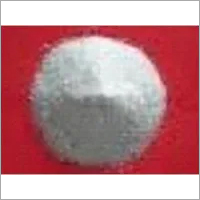
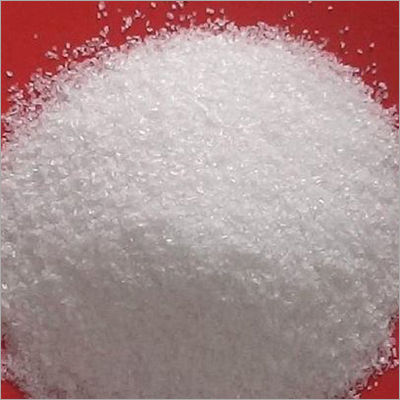
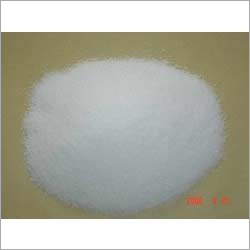
  • White or off-white powder
  • Ingredients
  • Polyacrylamide, sodium salt
  • Granule Size
  • 20-100 mesh
  • pH (1% Solution)
  • 6 to 8
  • Packaging
  • 25 kg bags
  • Toxicity
  • Non-toxic
  • Viscosity (1% Solution)
  • 800-1200 cps at 25C
  • Ionic Character
  • Anionic
  • Compatibility
  • Compatible with most cationic and non-ionic polymers
  • Bulk Density
  • ~0.8 g/cm3
  • Hydrolysis Degree
  • 10%-30%
 

Anionic Polyelectrolytes Trade Information

  • Minimum Order Quantity
  • 25 Kilograms
  • Supply Ability
  • 1 Kilograms Per Week
  • Delivery Time
  • 5 Days
  • Sample Available
  • Yes
  • Sample Policy
  • Contact us for information regarding our sample policy
  • Main Domestic Market
  • Himachal Pradesh, Nagaland, Uttarakhand, Daman and Diu, Dadra and Nagar Haveli, Lakshadweep, South India, West India, Andaman and Nicobar Islands, Assam, Arunachal Pradesh, Bihar, Chandigarh, Delhi, Goa, Jammu and Kashmir, Jharkhand, Karnataka, Maharashtra, Mizoram, Meghalaya, Manipur, Punjab, Pondicherry, Rajasthan, Sikkim, Tamil Nadu, Telangana, Tripura, Kerala, Haryana, Gujarat, West Bengal, Madhya Pradesh, North India, East India, Andhra Pradesh, Central India, Odisha, Chhattisgarh, Uttar Pradesh, All India
 

About Anionic Polyelectrolytes

By providing superior quality Anionic Polyelectrolytes, we have positioned ourselves as the topmost entity in the allied domain. Under the supervision of our vendors, the offered chemicals are formulated with the use of premium quality chemical ingredients in an appropriate manner. The provided chemicals are used as thickeners, conditioners, clarifying agents, even drag reducers, emulsifiers, etc. These Anionic Polyelectrolytes are also used in oil recovery and water treatment.

Features:

  • Environment friendly
  • Precise pH value
  • Long shelf life
  • Effectiveness

Technical Details:

Anionic charge

Molecular weight

Nil

High

Very low

Very low

low

Medium

Medium

High

Medium

Very high

Medium

High

Medium

High

High

Very high

Very high

High


Superior Flocculation for Industrial Needs

Anionic polyelectrolytes excel in flocculating suspended particles, making them indispensable in wastewater treatment and industrial clarifying processes. Their high molecular weight and water solubility ensure efficient aggregation of contaminants, leading to optimized sludge dewatering and clearer effluent outcomes for industry.


Safe, Versatile, and Easy to Use

These granules are both non-toxic and non-poisonous, suitable across a range of applications including both industrial and food grade uses. Their compatibility with cationic and non-ionic polymers enables seamless integration into existing treatment systems, while their odorless and tasteless characteristics assure safety and convenience.


Stable Performance in Varied Conditions

Engineered for reliability, anionic polyelectrolytes remain stable in both acidic and alkaline environments. With a hydrolysis degree of 10%-30%, their structural integrity is maintained, supporting continuous operation regardless of shifts in process conditions. Packaging and storage guidelines contribute to a two-year shelf life in unopened bags.

FAQ's of Anionic Polyelectrolytes:


Q: How are anionic polyelectrolytes used in industrial wastewater treatment?

A: Anionic polyelectrolytes are added to wastewater to aggregate fine suspended particles, promoting rapid formation of flocs. These flocs are easily separated from the water, thus clarifying effluent and aiding effective sludge dewatering during industrial wastewater treatment processes.

Q: What is the recommended process for dissolving anionic polyelectrolytes?

A: To achieve full dissolution, gradually add granules to water under moderate stirring at room temperature. Ensure even dispersion, avoid high-speed agitation, and allow 30-60 minutes for complete solubilization, optimizing performance in your application.

Q: When should anionic polyelectrolytes be added during a treatment operation?

A: They should be introduced after initial mixing and before the clarification or solid-liquid separation step. This timing ensures optimal interaction with suspended matter, maximizing the formation of easily removable sludge or flocs.

Q: Where are these polymers typically stored for best results?

A: Store anionic polyelectrolyte granules in a cool, dry environment away from direct sunlight and moisture. Proper storage, in original unopened 25 kg bags, preserves their shelf life, which extends up to two years.

Q: What benefits do anionic polyelectrolytes offer compared to other flocculants?

A: They are non-toxic, highly efficient even at low dosages, compatible with other polymers, and stable across a broad pH range. This versatility provides reliable flocculation, reducing chemical use and operating costs while ensuring worker safety.

Q: How compatible are anionic polyelectrolytes with other polymers?

A: These polyelectrolytes are compatible with most cationic and non-ionic polymers, allowing you to tailor treatment processes for specific wastewater compositions or to enhance the effectiveness of multi-stage treatment operations.

Tell us about your requirement
product

Price:

Quantity
Select Unit

  • 50
  • 100
  • 200
  • 250
  • 500
  • 1000+
Additional detail
Mobile number

Email

More Products in Polyelectrolytes Category

Non Ionic Polyelectrolytes

Non Ionic Polyelectrolytes

Price Range 300.00 - 400.00 INR / Kilograms

Minimum Order Quantity : 25 Kilograms

Application : Other , Water treatment, paper making, textile, mining, oilfield, sugar processing

Physical Form : Other

Appearance : White to off white powder or amber liquid

Product Type : WaterSoluble Polyelectrolyte

Cationic Polyelectrolyte

Cationic Polyelectrolyte

Price Range 300.00 - 400.00 INR / Kilograms

Minimum Order Quantity : 25 Kilograms

Application : Other , Effluent treatment, paper industry, sludge dewatering, textile chemical, oil field applications, wastewater treatment, mining

Physical Form : Other, Powder / Granules

Appearance : White freeflowing granular/powder

Product Type : Cationic Polyelectrolyte

Cationic Polyelectrolytes

Cationic Polyelectrolytes

Price Range 300.00 - 400.00 INR / Kilograms

Minimum Order Quantity : 25 Kilograms

Application : Other , Wastewater treatment, paper industry, oil recovery, textile industries

Physical Form : Liquid

Appearance : Transparent to slight yellow viscous liquid

Product Type : Chemical Compound

Anionic PolyElectrolytes

Anionic PolyElectrolytes

Minimum Order Quantity : 25 Kilograms

Application : Other

Physical Form : Powder

Product Type : Chemical


Back to top